

8 laws that every Indian Woman Must Know

Indian Women are more likely to be walking on the edge of knife. Considering that, there are several laws in our country to benefit us. But did you know that there are laws that actually work towards the women? Here are 8 laws for Indian women that everyone should know about!
1. Women can only be stopped/ questioned/ taken to the police station in the presence of female officers

Only female officers can escort a woman in any circumstances. If female police officer is not present, a woman cannot be taken away to the police station or questioned anywhere between 6 p.m. and 6 a.m.
2. Women can lodge complaints through emails/posts

Indian Police guideline makes it clear that women can lodge a complaint via email or a registered post. If a woman can’t go to the police station, she can still file a written complaint via email or a registered post.
3. Live-in relationships are not illegal

Conflicting to popular belief of our society, live-in relationships are completely legal. In fact the woman has all the required legal rights within such a relationship. Women in live-in relationships (in the identity of marriage), are provided protection under the Protection of Women from Domestic Violence Act, 2005. A child born of such a union also has been provided inheritance rights.
4. Women can’t be arrested at night

According to Supreme Court rules, women cannot be arrested in the period between sunset and sunrise. Even in presence of a female constable, an arrest cannot be made, without written permission from a magistrate.
5. All type of workplaces must have a Sexual Harassment Complaints Committee

Work places are required to congregate a sexual harassment complaints committee, in accordance with the Vishakha Guidelines. Female employees can haul into court their employers in the absence of such a committee.
6. Sex determination is illegal

Sex determination is prohibited by the Prohibition of Sex Selection Act, which has been made to check female aborticide and infanticide.
7. Maternity benefits are the right of every woman

The Maternity Benefit Act 1961, this law entitles employment of women during certain week pre, and post delivery. It also entitles them to maternity benefits.
8. Women and men are entitled to equal pay
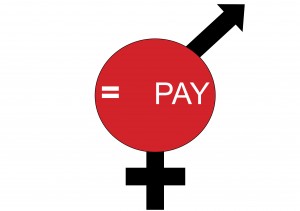
Working on the principle of “Equal Pay for Equal Work”, the Equal Remuneration Act, 1976 curbs discrimination on the basis of sex when it comes to salary or wage allotment.